
Framing the Stakes
India’s Operation Sindoor, conducted in May 2025, has been prematurely celebrated in Indian strategic literature as a doctrinal and strategic triumph, exemplifying an evolving posture of deterrence by punishment. The operation involved a series of stand-off strikes deep within Pakistani territory, purportedly targeting terrorist infrastructure. However, this narrative obscures a critical reality: Sindoor represents not a doctrinal success but a dangerous drift from deterrence towards compellence, thereby risking destabilization of the fragile nuclear equilibrium in South Asia, where India historically fails to achieve preferred outcomes.
Deterrence succeeds when no hostile action occurs; if force is employed, deterrence has by definition failed. By lauding military action as evidence of deterrent credibility, India fundamentally misconstrues or deliberately distorts the logic of deterrence, which has preserved regional peace since the overt nuclearization of the subcontinent in 1998. This essay revisits the theoretical foundations of deterrence, challenges flawed assumptions in India’s post-Sindoor narrative, and critically engages with arguments presented in a recent Indian volume on the operation. It contends that rather than strengthening India’s strategic position, Operation Sindoor has increased escalation risks, undermined established legal norms, and eroded the existing strategic restraint that South Asia cannot afford to relinquish. India’s core issue is not terrorism per se, but its continued refusal to acknowledge that the unresolved Jammu and Kashmir dispute remains the principal catalyst of regional instability. Military force and conflating legitimate freedom struggles in the Indian Illegally occupied Jammu & Kashmir (IIOJ&K) with terrorism cannot eliminate the fundamental fact of India’s contested sovereignty and occupation.

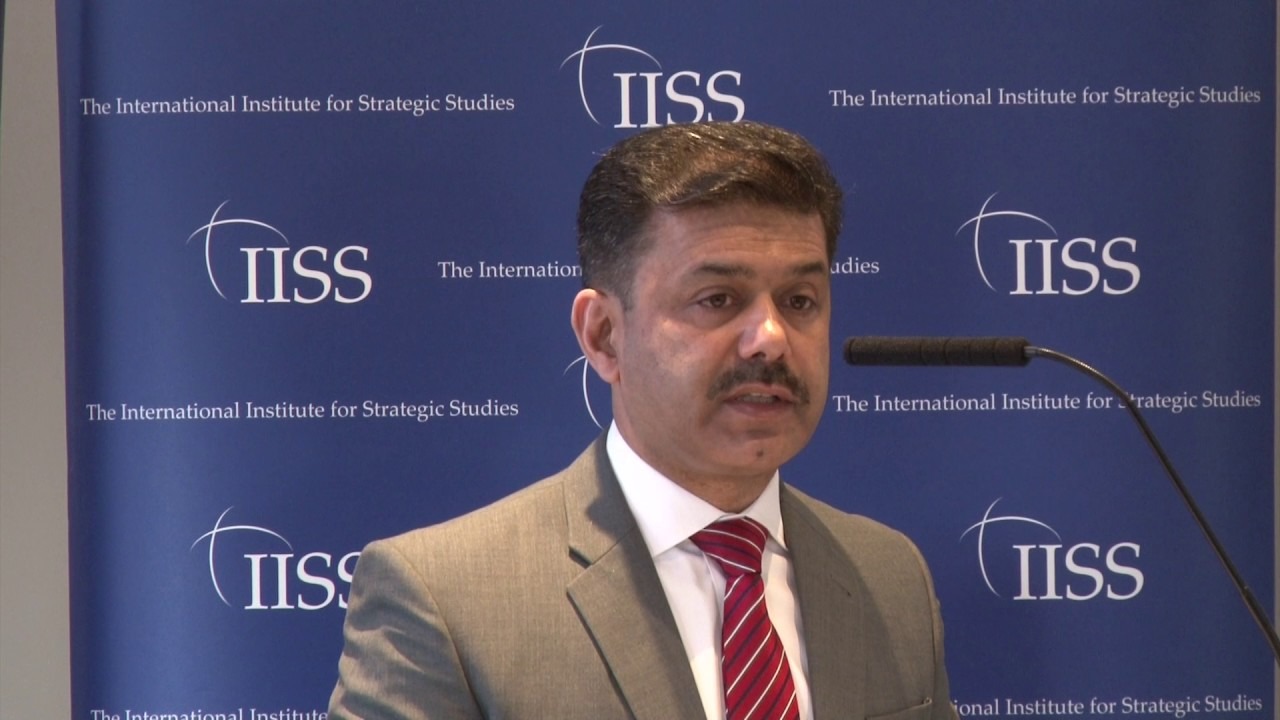
Dr Zahir Kazmi is Arms Control Advisor at the Strategic Plans Division, where he has also served as the Director General of the Arms Control & Disarmament Affairs Branch. He is a former Brigadier. The views expressed are solely of the author and not necessarily government policy