Since July 1st, the infection fatality and positivity rates of COVID-19 have started to decrease gradually in Pakistan, and the positive curve has more or less flattened since August. Data suggests that the number of positive cases depends on several important factors, including a government’s uninterrupted intervention, the public’s compliance with standard operating procedures (SOPs), and antibodies developed because of the exposure to the infectious diseases (seroprevalence). It is difficult to assess the degree to which these factors have contributed to Pakistan’s flattening curve. However, given current preliminary findings, Pakistan’s positive cases may rise again as a result of increased interpersonal contact if the public does not follow SOPs, the governments lifts targeted lockdowns, and people potentially become re-infected.
[/vc_column_text][vc_row_inner][vc_column_inner width=”1/4″][/vc_column_inner][vc_column_inner width=”1/2″][vc_btn title=”Read the Full Article” color=”primary” size=”lg” align=”center” button_block=”true” link=”url:https%3A%2F%2Fciss.org.pk%2FPDFs%2FPakistan-COVID-19-Update_Riaz-Khokhar.pdf||target:%20_blank|”][/vc_column_inner][vc_column_inner width=”1/4″][/vc_column_inner][/vc_row_inner][vc_column_text]This article was published in the South Asian Voices (SAV) on October 09, 2020.https://southasianvoices.org/pakistan-covid-19-update-current-trends-and-future-projections/
Riaz Khokhar
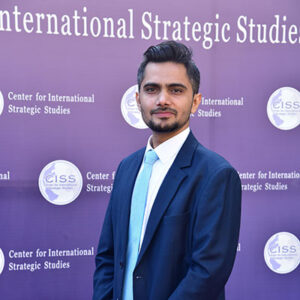
Mr. Riaz Khokhar is a Research Assistant at the Center for International Strategic Studies (CISS), Islamabad.