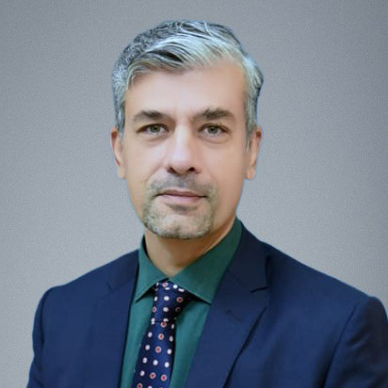
by Dr. Naeem Salik.... India demonstrated its nuclear prowess, for the first time, in May 1974, though it chose to call that nuclear explosive test a ‘Peaceful Nuclear Explosion’ (PNE). This characterization served to alleviate international pressure and sanctions, and provided a convenient smoke screen for the global powers to react mildly to this development.
CISS-Pakistan
by Syed Sadam Hussain Shah.... There is nothing permanent in the arena of global politics. Few developments could illustrate that better than the US withdrawal of the Iran deal. On 8th of May, President Trump torpedoed the Iran deal. This aggressive bid is a mixed blessing. It will help Trump win popular support from right-wingers.
by Amna Tauhidi.... “The life of the people living along the ceasefire line has been crippled by incessant shelling and firing. Not a single day goes by when there are no casualties in one or the other sector.” –(LOC resident) Despite the adherence to the 2003 cease fire agreement by both India and Pakistan the
by Shahab-ud-din.... The Syrian Civil War is arguably the worst humanitarian crisis since the Second World War, with over a half million killed, wounded, or missing, and half of Syria’s 22 million population displaced from their homes. Syria’s largest uprising has devolved into a regionalized civil war that has ravaged the country. President Bashar ul
by Syed Sadam Hussain Shah.... In the arena of global politics, one does not always expect sharp and unanticipated turnarounds. Few developments could illustrate that better than last month’s Korean rapprochement. It was a historic moment marked by dozens of cameras, when North Korean leader Kim Jong-un crossed the demilitarised zone and met his South
Terror outfits often expand their influence by merging into other groups or by cobbling together alliances. They essentially do it when their existence is threatened or for consolidation of power in an alien territory. It helps them to expand their scope, scale of operations, and influence. Moreover, it also helps them to foster human resource,
2017 has been another exciting year for CISS. The Center conducted a wide range of activities; round-table discussions, one major international conference and a workshop, and produced publications as in the past. During the year, we continued our partnership and foreign outreach with the International Institute of Strategic Studies, London (IISS) as well as with
The Center for International Strategic Studies (CISS) and The Pakistan Institute of International Affairs (PIIA) are organizing one-day seminar on…
The central theme behind the China-Pakistan Economic Corridor (CPEC) is to open new economic and trade avenues that would lead to the overall social and economic prosperity of the region. The fruit of this economic cooperation is a market far larger in scope than the one that exists because of economic conflict in the region.
Pakistan has been a hopeful entrant into the NSG regime since May 2016 and aspires to gain access to nuclear technology and expertise, as well as recognition and acknowledgement of its de facto nuclear status by the international community by becoming a member of the NSG. Pakistan has been lobbying for the cause and watching closely developments in the issue. This round-table, organized by CISS, aimed